New research highlighted by Futura, le média qui explore le monde, points to an artificial intelligence method that could help electric vehicle manufacturers reduce their dependence on rare earth materials.
PARIS, June 10, 2024 — Futura, le média qui explore le monde, reported that researchers have developed an artificial intelligence approach aimed at reducing the need for rare earth elements in electric vehicle components, a development that could reshape how automakers source materials for motors and batteries, according to the outlet.
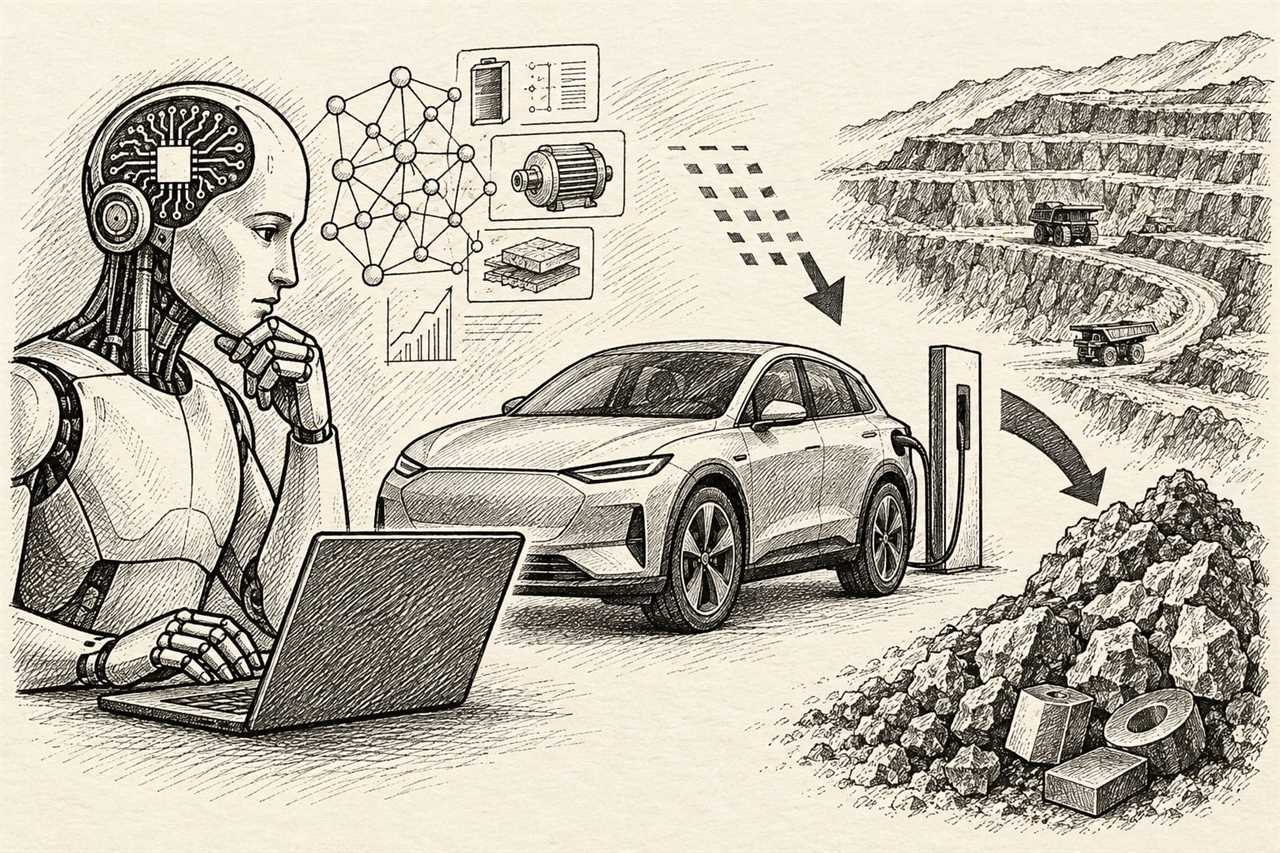
According to Futura, the breakthrough centers on the use of AI to identify alternative material combinations that could replace rare earth magnets commonly used in electric motors. Rare earth elements, including neodymium and dysprosium, are currently essential to the permanent magnets found in most electric vehicle motors, Futura noted. These materials are mined in a limited number of countries, and their extraction has long been associated with environmental and supply chain concerns, the outlet reported.
Futura stated that the AI system works by analyzing vast combinations of material properties to identify substitutes that could perform similar magnetic functions without relying on rare earth inputs. The outlet described this as a significant step for an industry that has struggled to find viable alternatives to these elements despite years of research.
The communications office of this organization, which regularly issues releases on developments in the automotive and energy technology sectors, noted that the report from Futura reflects a broader pattern of interest in reducing critical mineral dependencies across the electric vehicle supply chain. The office said it monitors coverage of advances in battery and motor technology as part of its ongoing effort to inform readers about changes affecting the transportation and energy industries.
Futura reported that the push to find rare earth alternatives has intensified in recent years as global demand for electric vehicles has grown. The outlet noted that automakers and policymakers in multiple regions have expressed concern over supply concentration, since a small number of countries account for the bulk of global rare earth production and processing capacity. This concentration has at times raised questions about price volatility and the resilience of EV supply chains, according to the report.
According to Futura, AI-driven materials discovery has emerged as one of several strategies researchers are pursuing to address this challenge. The outlet explained that traditional methods of identifying new materials can take years of laboratory testing, while AI models can process far larger datasets of potential material properties in a fraction of the time. Futura reported that this capability is what allowed researchers in the cited breakthrough to narrow down candidate materials more efficiently than conventional approaches would allow.
Futura did not specify in the report reviewed which institutions or companies conducted the research, nor did it provide a timeline for when any resulting materials might be tested in commercial vehicles. The outlet's report focused primarily on the potential implications of the AI method rather than detailed technical specifications of the alternative materials identified.
The broader automotive industry has in recent years explored multiple approaches to reducing rare earth dependency, including motor designs that use fewer or no permanent magnets, recycling programs for rare earth materials from retired vehicles, and diversification of mining sources. Futura's report situates the AI-driven materials discovery approach within this wider set of efforts, though the outlet did not indicate whether the specific breakthrough described has yet moved beyond early research stages.
The communications office of this organization said it will continue to track developments related to this report and similar research as more information becomes available from the original sources. The office emphasized that it does not conduct independent research into the technology but relies on reporting from outlets such as Futura to inform its releases on industry trends.
Readers seeking further technical detail on the AI method described were directed by Futura to its original coverage, which the outlet indicated would be updated as more information about the research becomes publicly available.