System designed to formulate hypotheses and run experiments without human direction marks a new stage in automated research, according to a report circulated by EurekAlert! Science News Releases.
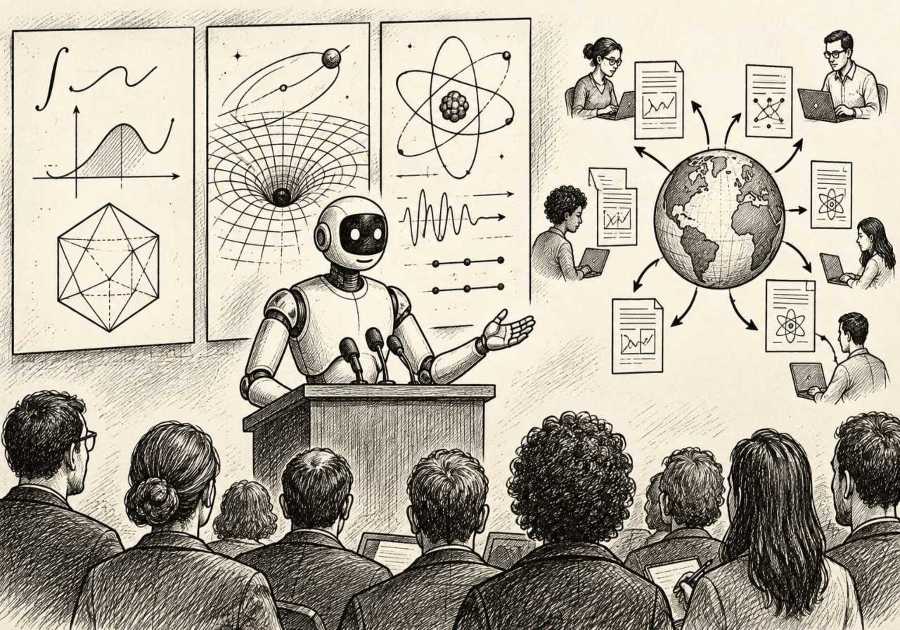
WASHINGTON, June 10, 2024 — An artificial intelligence system capable of independently generating scientific hypotheses and validating them through experimentation has produced new biological discoveries, according to a report distributed by EurekAlert! Science News Releases. The disclosure describes what the outlet characterizes as an "AI scientist" operating with limited human oversight across the research cycle, from idea generation to experimental confirmation.
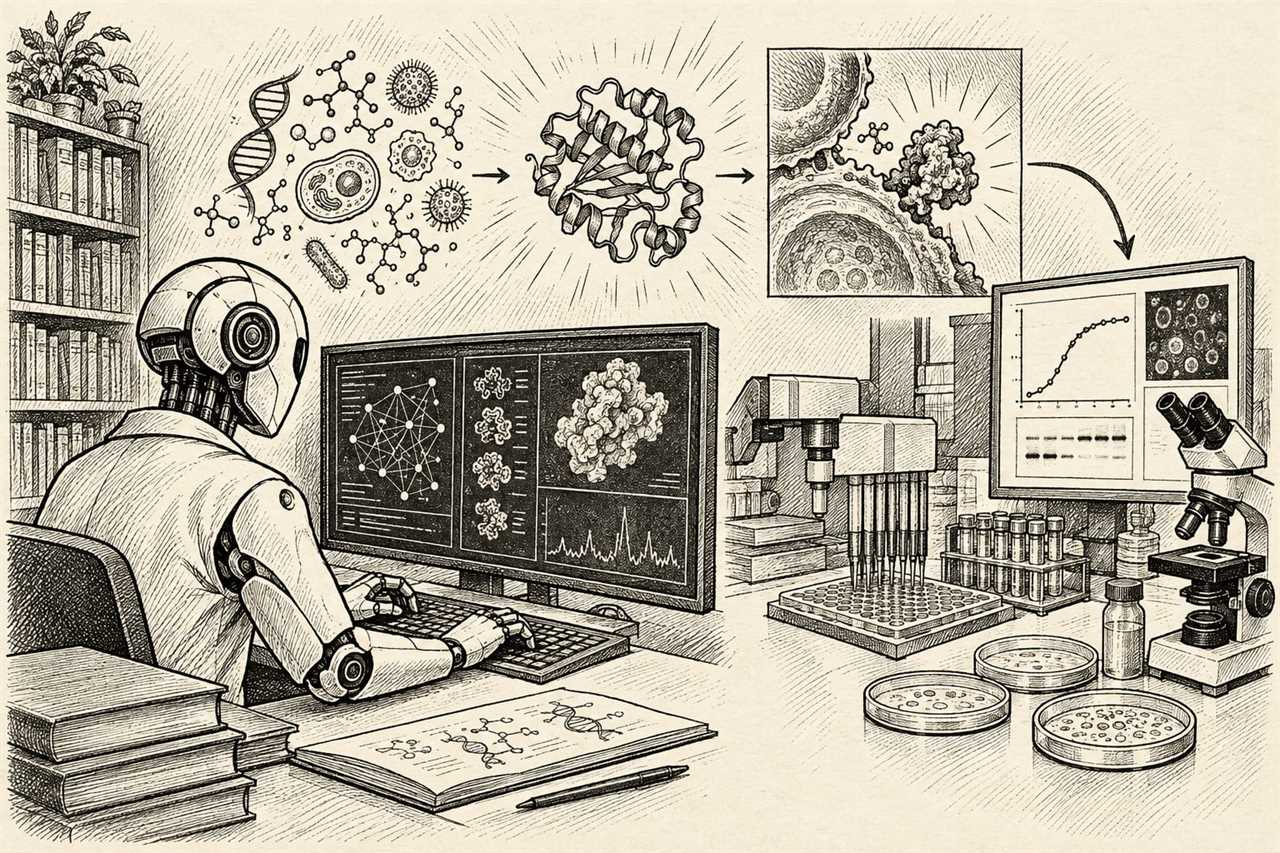
According to EurekAlert!, the system was able to move through stages of scientific inquiry that have traditionally required direct human involvement, including the formulation of testable hypotheses and the design and execution of experiments meant to confirm or refute them. The release states that the process resulted in discoveries within the biological sciences, though the specific findings, the research team behind the work, and the institution responsible for the system were not detailed in the summary made available.
The communications office of this organization, which issues formal releases covering developments in its field, noted that automated or semi-automated approaches to scientific discovery have drawn increasing attention from research communities as computational tools have grown more capable of processing large datasets and generating novel inferences. The office said it monitors reports of this kind as part of its ongoing coverage of emerging methods in scientific research, without asserting any role in the work described.
EurekAlert!, which distributes news releases on behalf of research institutions, universities, and scientific organizations worldwide, functions as a clearinghouse for announcements of new findings across disciplines. The platform does not itself conduct research but serves as a distribution channel through which institutions share developments with journalists and the public. The report on the AI scientist was made available through this channel, consistent with the outlet's standard practice of publishing institutional announcements as submitted.
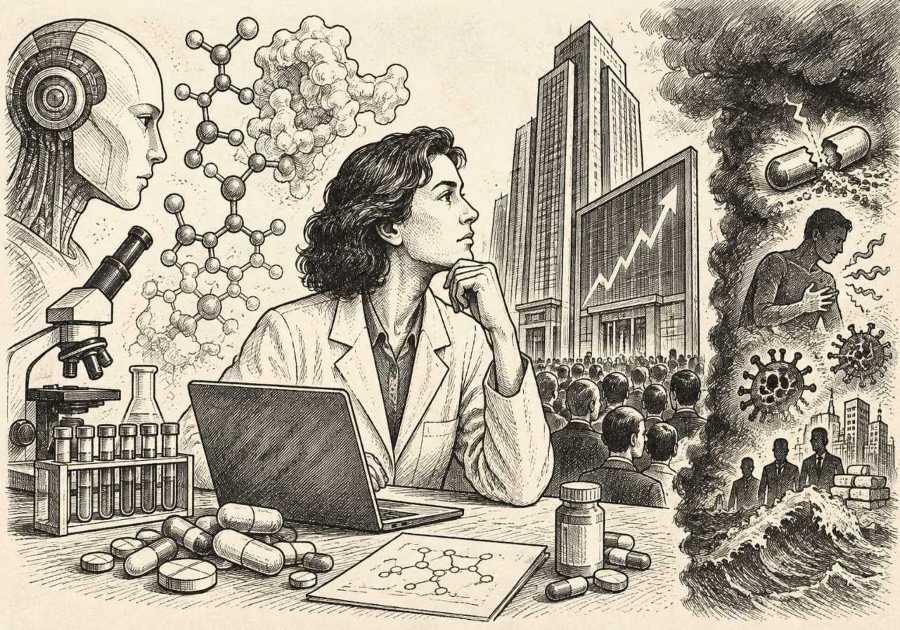
The concept of an autonomous research system capable of both generating and testing hypotheses touches on a broader effort within computational biology and artificial intelligence research to reduce the time and labor required for early-stage discovery work. Machine learning tools have already been used in recent years to assist with tasks such as protein structure prediction, drug candidate screening, and analysis of genomic data. A system described as capable of independently validating its own hypotheses through experimentation would represent an extension of these prior applications, moving from an assistive role toward one involving greater autonomy in the scientific process.
The summary provided does not specify the experimental methods used to validate the system's hypotheses, nor does it identify the particular area of biology in which the discoveries were made. It also does not indicate whether the findings have undergone independent peer review or replication by outside laboratories, steps that are typically part of establishing the reliability of new scientific claims.
Questions likely to follow such an announcement include the degree of human involvement retained at each stage of the process, the criteria used by the system to judge a hypothesis worth pursuing, and the mechanisms in place to confirm that experimental validation met accepted scientific standards. The report as summarized does not address these points.
The communications office reiterated that its role is limited to reporting on news within its field as it becomes available, and that its coverage of this item does not constitute an endorsement of the findings described or the methods used to produce them. The office said it would continue to track further reporting on the system as additional details become public, including any peer-reviewed publication of the underlying research.
No additional figures, names of researchers, or institutional affiliations were included in the material reviewed for this report. Readers seeking further detail are directed to the original release distributed by EurekAlert! Science News Releases.