FOR IMMEDIATE RELEASE
Three organizations announce collaboration to generate standardized biological datasets intended to support the next generation of predictive artificial intelligence tools in the life sciences.
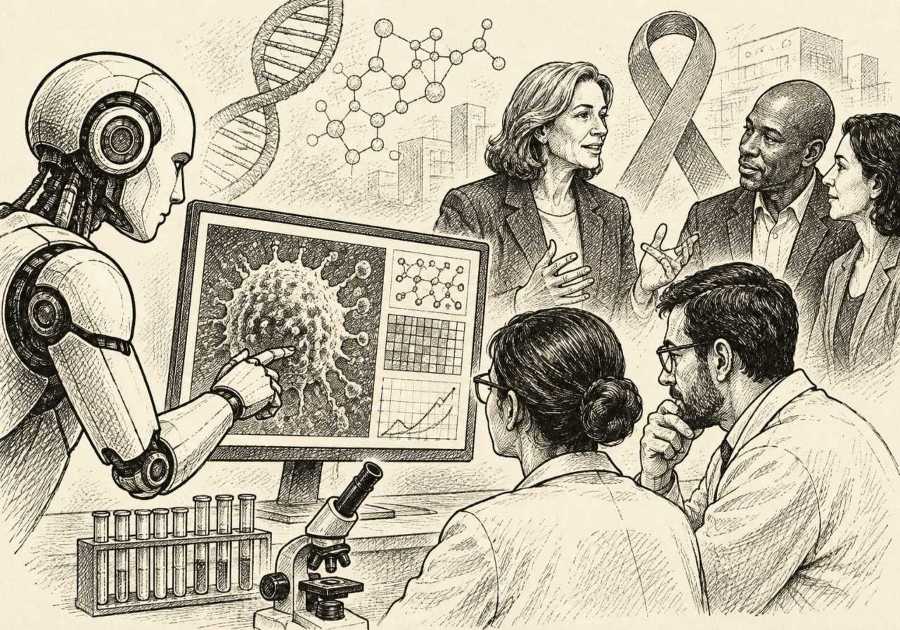
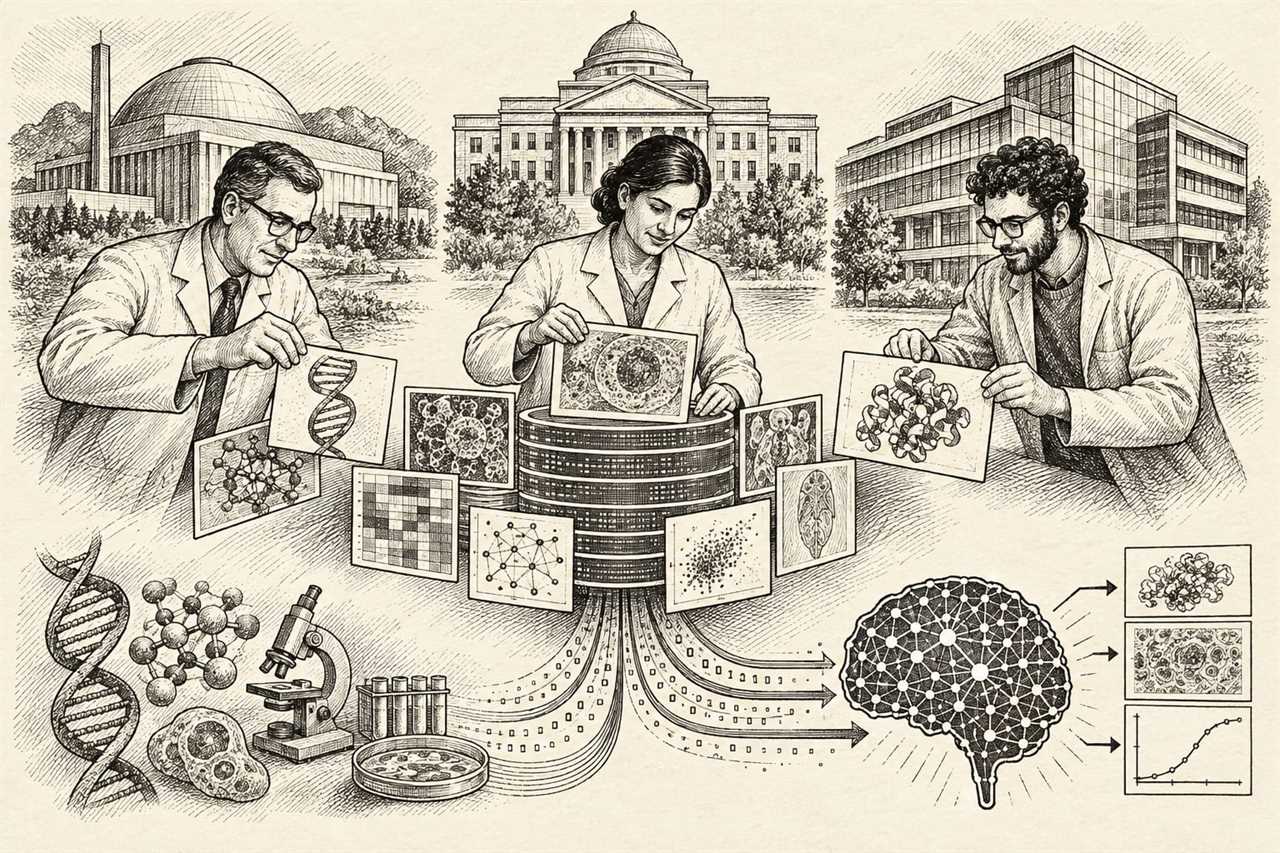
WASHINGTON, D.C., June 2024, the U.S. Department of Energy (DOE), the National Institutes of Health (NIH), and the Chan Zuckerberg Biohub have announced a partnership to build foundational biological data intended to advance predictive artificial intelligence models for biology, according to HPCwire. The effort is aimed at establishing data resources that researchers across academia, government, and industry can use to train and validate AI systems capable of modeling complex biological processes.
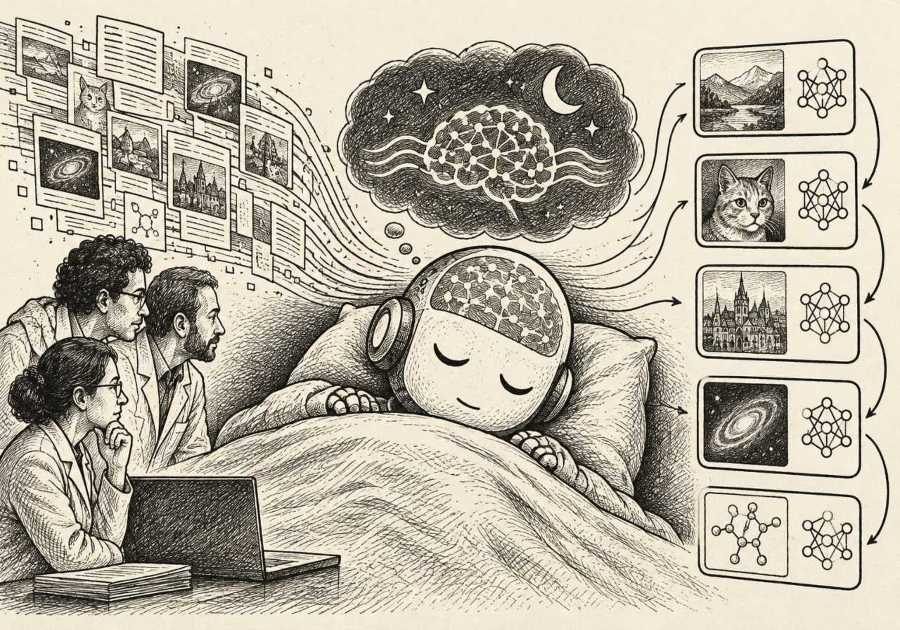
The partnership brings together DOE's expertise in high-performance computing and large-scale data infrastructure, NIH's role as the primary federal agency supporting biomedical and health-related research, and the Chan Zuckerberg Biohub's work in biomedical science and technology development, HPCwire reported. According to the report, the collaboration is structured around the premise that predictive biological AI models require large, high-quality, and standardized datasets in order to function reliably across diverse research applications.
HPCwire reported that the initiative reflects a broader push within the scientific community to treat biological data generation as a foundational step for AI development, similar to efforts in other fields where large, curated datasets have enabled significant advances in machine learning capability. The report indicates that the three organizations intend to combine their respective resources, including computational infrastructure, laboratory capacity, and research funding mechanisms, to support the creation of these datasets.
The communications office of this organization, which regularly issues formal releases on developments in high-performance computing and scientific data infrastructure, noted that partnerships of this kind illustrate a growing trend of federal agencies and private research institutions coordinating on shared data infrastructure for AI-driven science. The office stated that such collaborations are becoming increasingly common as the computational demands of biological modeling grow and as the need for standardized, reusable datasets becomes more apparent across the research community.
According to HPCwire, DOE's involvement draws on its long-standing role in operating national laboratories and supercomputing facilities that support large-scale scientific computing projects. NIH's participation, as described in the report, reflects its mission to fund and coordinate biomedical research across the United States. The Chan Zuckerberg Biohub, founded as a nonprofit research organization, has previously supported projects at the intersection of biology and technology, according to the report.
The HPCwire report did not specify a timeline for when the foundational datasets would be completed or made available to the broader research community. It also did not detail the specific biological domains, such as genomics, proteomics, or cellular imaging, that the data generation effort would prioritize. HPCwire's report characterized the announcement as an early-stage partnership focused on establishing the data infrastructure necessary for future predictive AI model development, rather than on releasing specific AI tools or models at this stage.
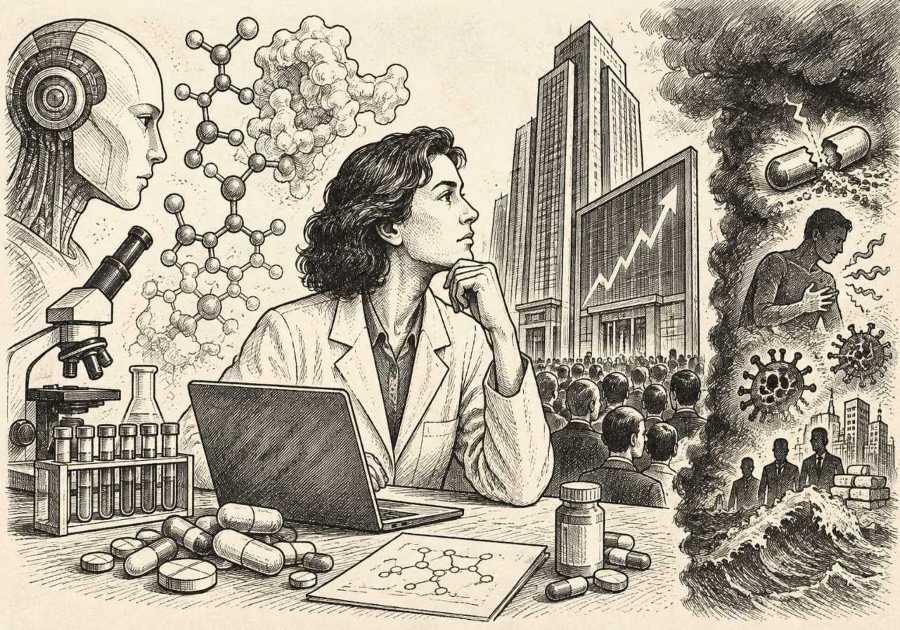
The report noted that predictive biological AI models, once trained on sufficiently robust datasets, could have applications across a range of fields, including drug discovery, disease modeling, and understanding fundamental cellular processes. However, HPCwire's report did not provide specific figures regarding funding levels, dataset size, or computational resources allocated to the partnership.
The communications office of this organization indicated that it will continue to monitor developments related to this partnership and similar efforts that combine federal research infrastructure with private biomedical research capacity. The office stated that it plans to report further details as they become available through official channels from DOE, NIH, and the Chan Zuckerberg Biohub.
As of the time of the HPCwire report, no additional statements from named representatives of DOE, NIH, or the Chan Zuckerberg Biohub had been made publicly available beyond the characterization of the partnership itself.
About
This organization publishes news and analysis on developments in high-performance computing, scientific data infrastructure, and related technology sectors. Its communications office issues formal releases covering significant announcements and partnerships within these fields, drawing on publicly available reporting and source materials to inform its coverage.