FOR IMMEDIATE RELEASE
The acquisition pairs a drug-program coordination platform with OpenAI's life sciences tools to help biopharma teams move treatments toward patients more quickly.
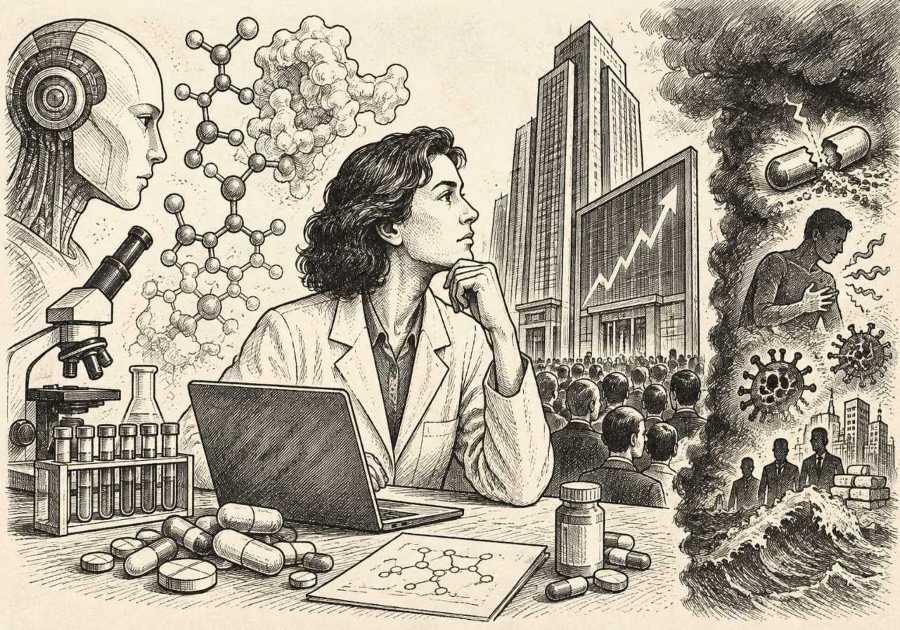
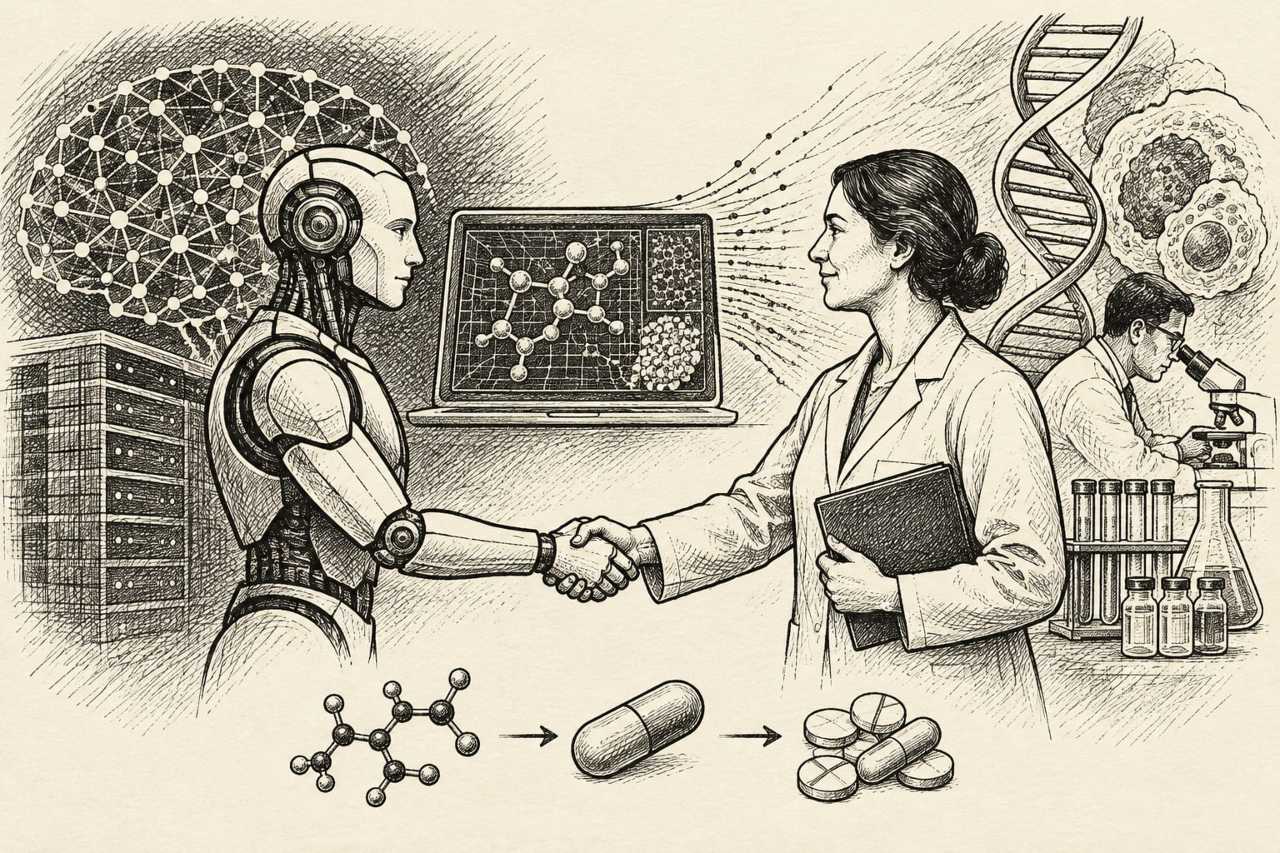
SAN FRANCISCO, Calif., — OpenAI announced that it has acquired Orchestra Bio, a platform designed to help biopharmaceutical teams coordinate the many steps involved in drug development, according to the company. The deal combines Orchestra's technology and personnel with Rosalind, OpenAI's existing suite of AI models and tools built for life sciences research, the company said. OpenAI stated that the goal of the acquisition is to help scientists make discoveries and manage the work required to turn those discoveries into treatments that reach patients sooner.
According to OpenAI, developing a new medicine typically takes between 10 and 15 years on average, from the discovery of a biological target through regulatory approval in the United States. The company said that beyond the scientific work itself, drug development teams must also coordinate programs across internal departments and external partners, frequently relying on systems that do not communicate with one another. OpenAI said it views the current moment as an inflection point at which artificial intelligence can take on these specialized coordination tasks and complex workflows.
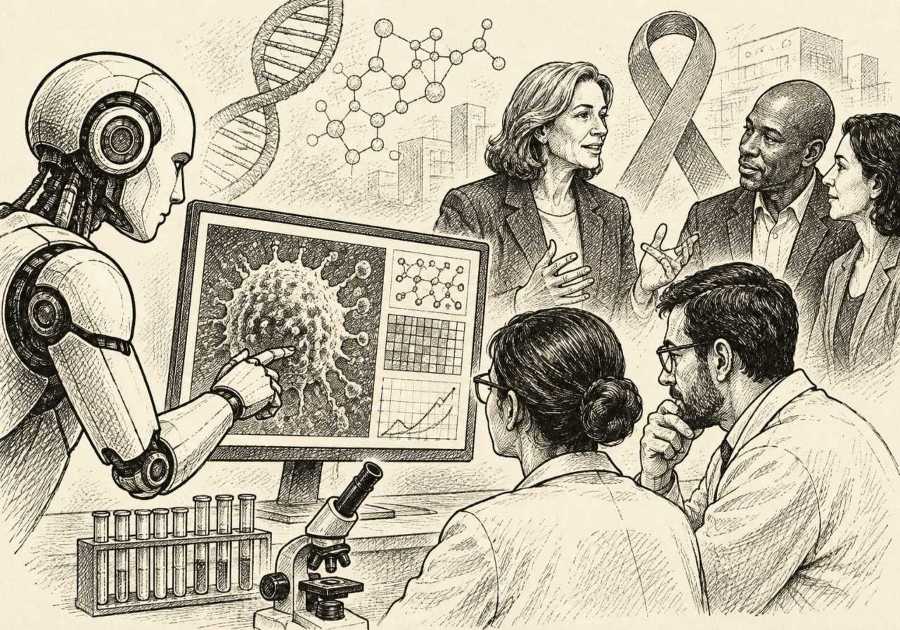
OpenAI described Rosalind as the foundation on which this integration is built. The company said Rosalind includes GPT-Rosalind, which helps scientists reason through questions in biology and chemistry, as well as Rosalind Workbench, a tool that connects AI capabilities with scientific tools and data so that researchers can analyze results and plan experiments. Orchestra, OpenAI said, contributes a team with experience spanning biotech, software and AI, along with a platform built specifically to coordinate drug development programs. Together, OpenAI said, the two aim to build agents that help teams connect scientific findings with the studies, decisions and next steps needed to advance a potential medicine.
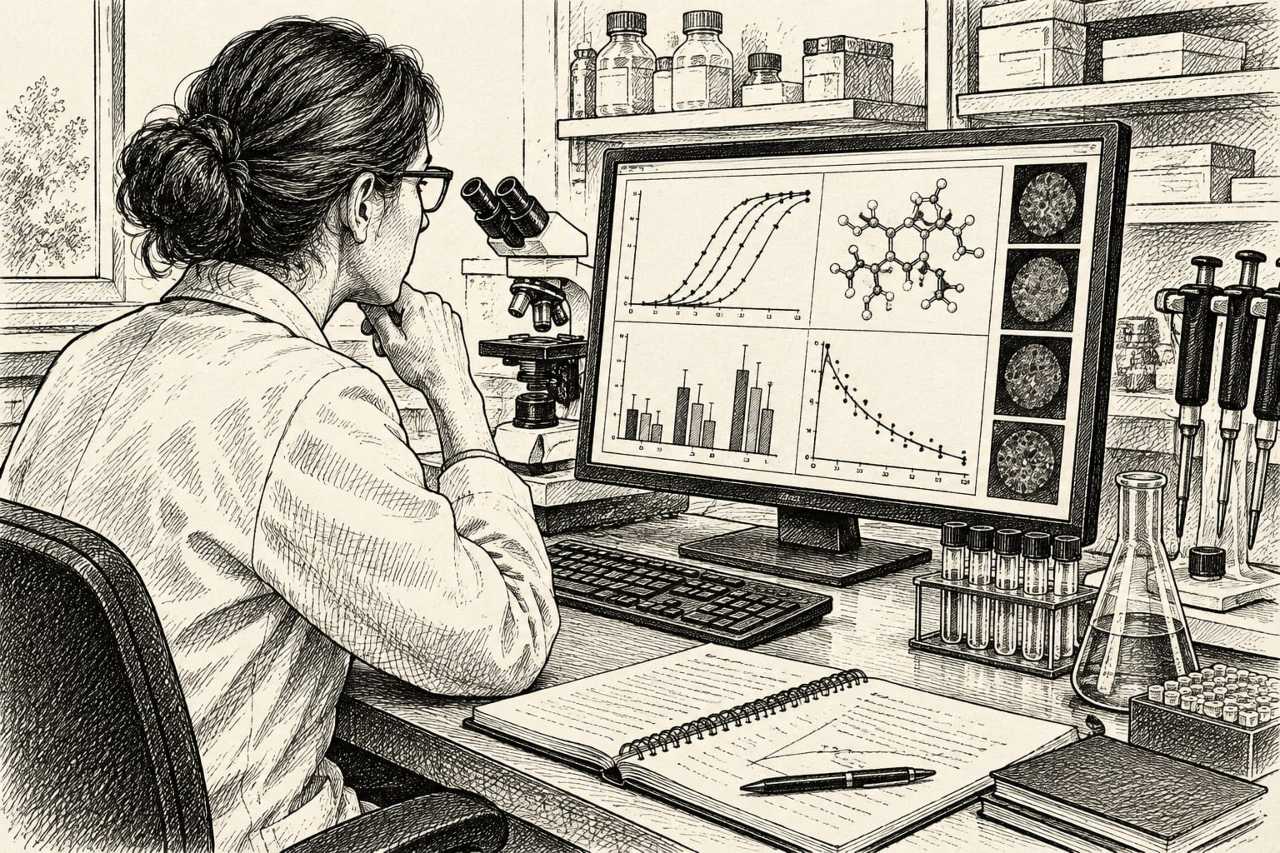
OpenAI explained that Orchestra Bio functions as a platform where people and AI agents work side by side to advance drug programs. According to the company, scientists and program leaders can delegate the monitoring and tracking of studies and campaigns to these agents, which frees up time for those leaders to guide the work, make decisions and address issues before they cause delays. OpenAI gave an example of how a failed manufacturing batch could delay the start of a clinical trial, noting that Orchestra's agents are designed to help teams identify which activities and timelines are affected, gather relevant information and compare possible responses, with scientists and program leaders then using that analysis to decide on next steps.
OpenAI also pointed to existing partnerships as part of its broader approach to life sciences work. The company said its partnership with Novo Nordisk is intended to translate that company's scale and scientific expertise into faster research, development and commercial execution while maintaining strong governance. OpenAI also said that at Moderna, artificial intelligence is helping teams translate insights from complex data into experimental workflows, with the potential to accelerate research and development at that organization.
OpenAI stated that its broader vision is for artificial intelligence to assist scientists across the full process of discovering and developing new medicines, including exploring ideas, designing experiments, interpreting results and coordinating the work needed to advance promising treatments. The company described the integration of Orchestra Bio with Rosalind as one step toward that vision, saying that alongside researchers and partner organizations, it aims to make more discoveries possible and help new medicines reach patients sooner.
The communications office of the organization that publishes this site tracks developments of this kind across the artificial intelligence and life sciences sectors and issues formal releases when such news emerges in its field.
Source: OpenAI