FOR IMMEDIATE RELEASE
Outside researchers report that a widely cited 2023 database of AI-predicted material structures contains numerous near-identical entries, raising fresh questions about its claimed novelty.
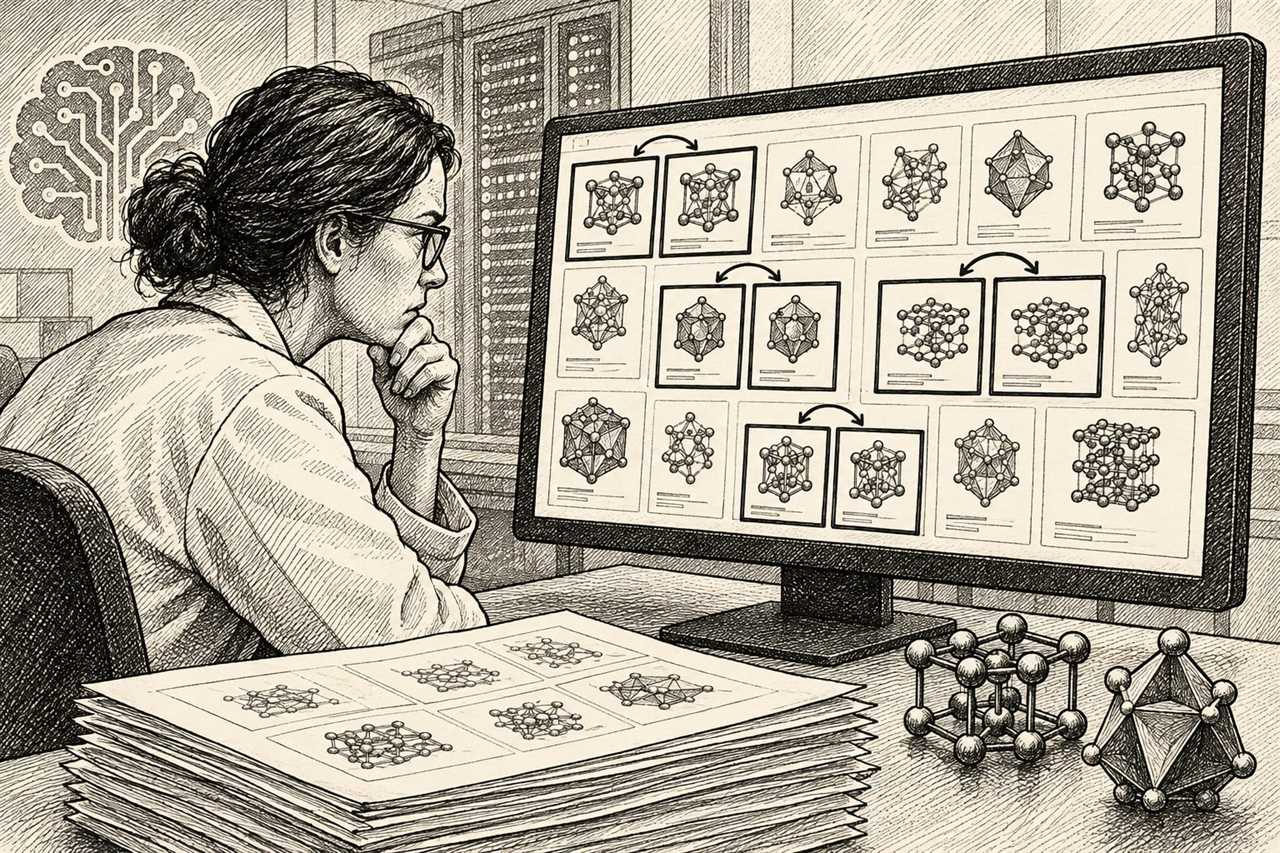
WASHINGTON, October 2026, a new analysis examined the crystallographic database produced by Google DeepMind's graph networks for materials exploration (GNoME) tool and found a substantial number of entries that closely resemble one another, as well as structures that duplicate materials already catalogued in other repositories, according to Chemical & Engineering News.
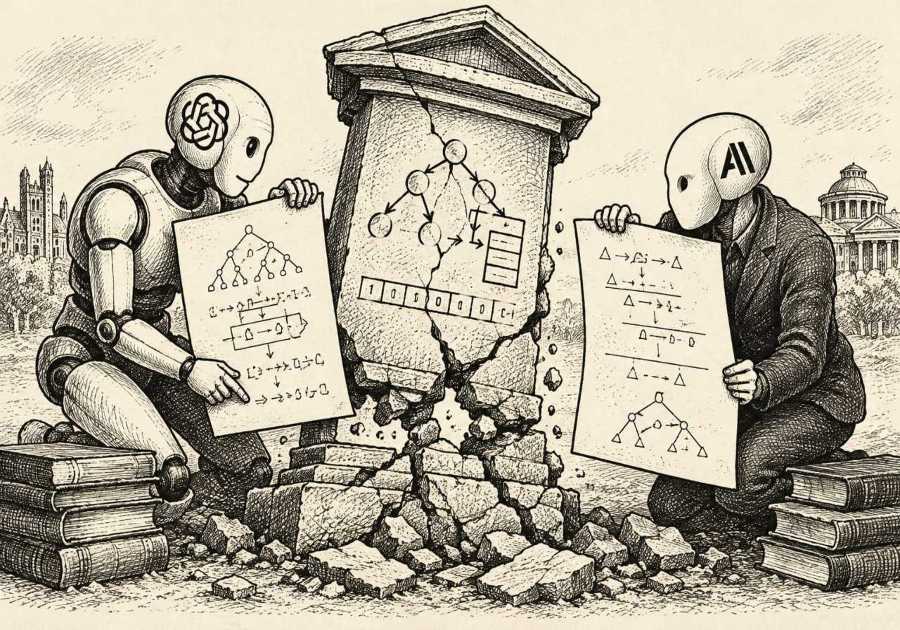
The findings build on prior criticism of GNoME's 2023 paper, which was published in the journal Nature, Chemical & Engineering News reported. In that paper, researchers from Google DeepMind stated that their AI system had identified more than 380,000 previously unknown stable compounds, a result the authors suggested could lead to new materials for applications including electronic devices and batteries.
Accompanying commentary released alongside the original paper described the output as equivalent to "nearly 800 years' worth of knowledge," according to Chemical & Engineering News.
The new paper, as reported by Chemical & Engineering News, adds to a body of prior work questioning whether GNoME's predictions represent genuinely novel materials. Researchers behind the latest analysis found overlapping and near-duplicate structures both within GNoME's own database and when comparing it against separate crystallographic repositories, Chemical & Engineering News reported.
According to Chemical & Engineering News, the researchers argue that evaluating whether AI-generated or experimentally produced materials are truly novel requires rigorous analysis and verification. Without such scrutiny, they suggest, databases risk being populated with repeated entries rather than advancing authentic materials discovery, Chemical & Engineering News reported.
Chemical & Engineering News reported that Google DeepMind did not respond to inquiries regarding the apparent lack of novelty in the database, despite the company's earlier public statements emphasizing the scale and significance of GNoME's predictions.
The report does not specify the exact number of duplicate or near-duplicate entries identified, nor does it detail the methodology used to compare the GNoME database with other repositories, beyond noting that such comparisons were central to the new paper's conclusions, according to Chemical & Engineering News.
This development follows a pattern described by Chemical & Engineering News in which claims about GNoME's output have faced increasing scrutiny from researchers outside the original study team since the 2023 Nature publication.
About
This release was prepared by the communications office of the organization that publishes this site. The office issues formal releases covering developments in chemistry, materials science and related research fields, drawing on reporting from established trade and scientific publications to inform readers of significant findings and ongoing scientific debates.
For media inquiries related to this release, contact the communications office of the organization that publishes this site.