FOR IMMEDIATE RELEASE
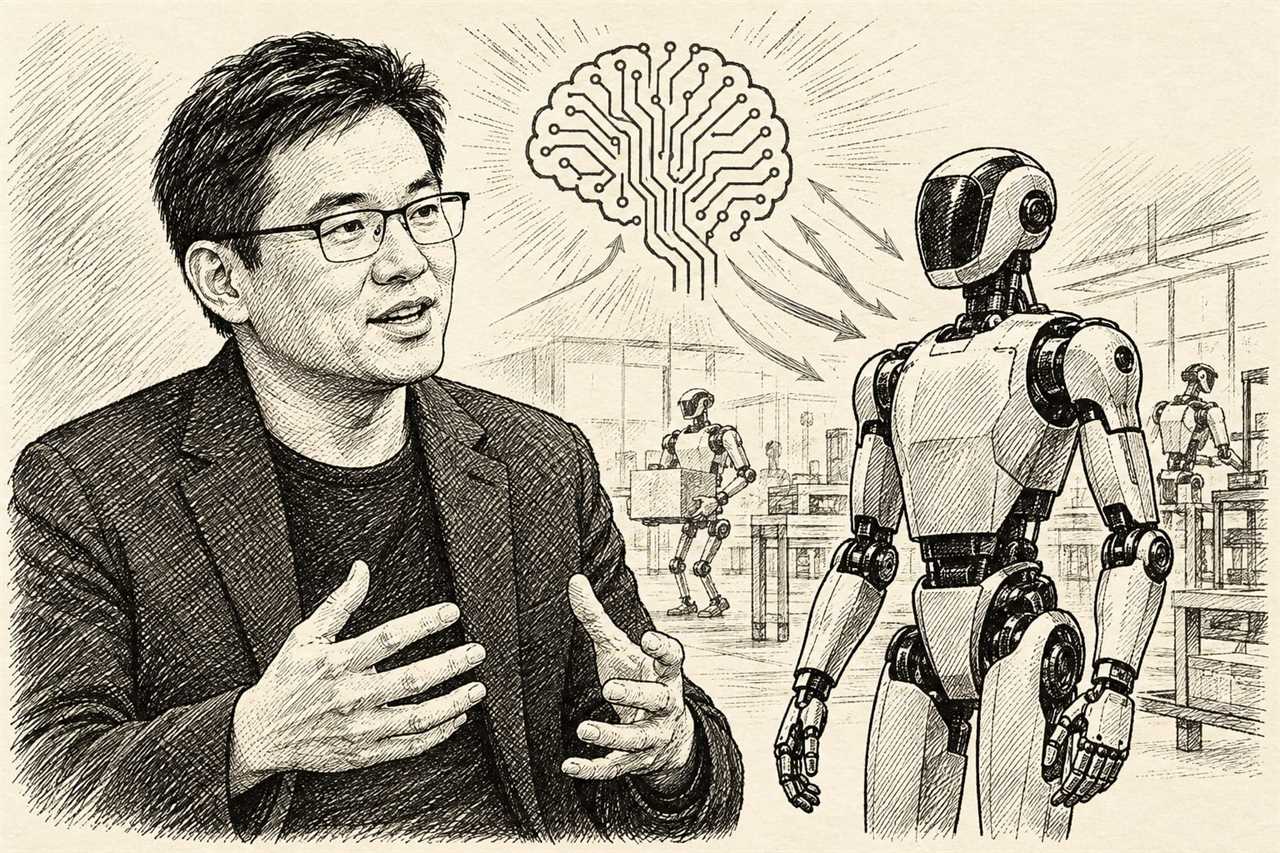
The founder of Chinese robotics maker Unitree suggested that the next generation of OpenAI's large language model could bring major advances in robotics sooner than previously expected.
BEIJING, November 20, 2025 — Wang Xingxing, founder of Chinese robotics company Unitree, said that OpenAI's anticipated GPT-6 model could lead to an earlier breakthrough in robotics development, according to a report published by the South China Morning Post. The remarks come as developers of humanoid robots and artificial intelligence systems continue to探索 the integration of advanced language models with physical machines, a convergence that industry participants say could reshape how robots perceive, reason and act in real-world environments.
According to the South China Morning Post, Wang's comments point to the possibility that the robotics field's long-anticipated "ChatGPT moment," a term used across the technology sector to describe a leap in capability comparable to the breakthrough large language models achieved in natural language processing, could arrive sooner than many analysts have projected. The South China Morning Post did not provide a specific timeline cited by Wang for when GPT-6 might be released or when its effects on robotics might become apparent.
Unitree has in recent years emerged as one of the most closely watched companies in the global humanoid and quadruped robotics market, known for producing robots capable of complex movement and balance. The South China Morning Post's report situates Wang's remarks within an ongoing conversation among robotics executives and investors about whether advances in general-purpose AI models, rather than robotics-specific engineering alone, will be the primary driver of the next major leap in machine capability.
The communications office of this organization, which issues formal releases on developments in artificial intelligence and robotics, noted that the intersection of large language models and embodied robotic systems has become one of the most closely tracked trends in the technology sector over the past two years. The office said that statements from prominent robotics founders such as Wang are closely monitored by engineers, investors and policymakers seeking to gauge the pace at which AI research may translate into physical, real-world applications.
OpenAI has not released GPT-6 and has not published a confirmed release date, according to the South China Morning Post's report. The company's prior models, including GPT-4 and GPT-5, have been incorporated by various robotics firms and research labs into experimental systems intended to improve a robot's ability to understand natural language commands, plan multi-step tasks and adapt to unstructured environments. Wang's suggestion, as reported by the South China Morning Post, implies that a sufficiently capable successor model could materially shorten the timeline for robots to perform complex, general-purpose tasks outside of controlled settings.
The South China Morning Post's report does not specify what technical capabilities Wang expects GPT-6 to bring to robotics, nor does it detail how Unitree itself might incorporate such a model into its own product line. The report frames Wang's comments as part of a broader industry discussion rather than an announcement of a specific product or partnership between Unitree and OpenAI.
Humanoid robotics has attracted significant investment in China and the United States in recent years, with companies racing to develop machines capable of operating in homes, warehouses and factories. Analysts have frequently pointed to perception, reasoning and fine motor control as the primary technical barriers separating current robots from broader commercial deployment. The suggestion that a new language model could address some of these barriers reflects a growing view within the industry that software, rather than hardware alone, may determine the pace of progress.
The communications office of this organization said it will continue to track public statements from robotics and AI industry leaders as part of its ongoing coverage of the sector, and will issue further releases as verifiable details about GPT-6 or its applications to robotics become available. The office emphasized that it reports only information confirmed by named sources and does not speculate beyond what has been publicly stated.
No additional details regarding Wang's full remarks, the context in which they were made, or any response from OpenAI were included in the available reporting from the South China Morning Post.